Key Takeaways
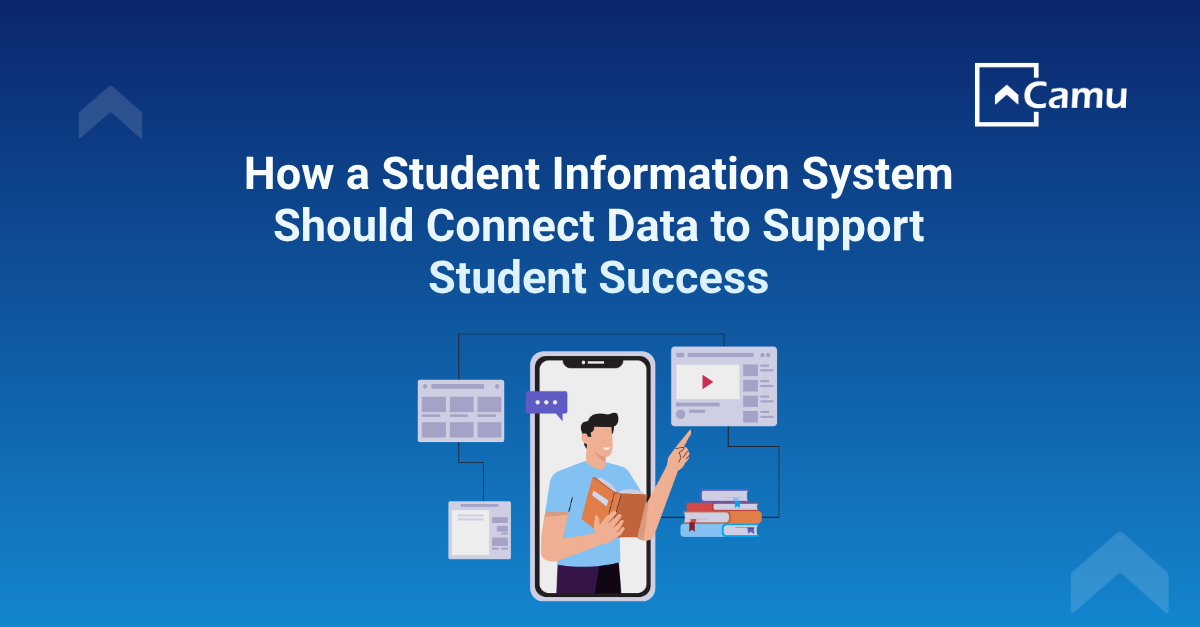
Connected student data gives academic and administrative teams better context to understand student progress.
Attendance, academic performance, course registration, communication, fees, and student services all contribute to a broader view of the student experience.
A connected SIS helps institutions identify where students need attention and coordinate the right follow-up.
Camu connects student information with academic and administrative workflows to support a more connected student journey.
What is the role of a Student Information System in Student Success?
A student information system is often seen as the platform institutions use to manage student records, admissions, attendance, academics, fees, and other administrative information. But its role extends beyond maintaining records.
When student information is connected across different stages of the academic journey, institutions get better visibility into student progress and the support students may need along the way.
From attendance and academic performance to progression, communication, and student services, these interactions create valuable information about the student experience.
A connected student information system helps institutions bring this information together, giving academic and administrative teams better context to support students throughout their journey.
Why Student Success Requires Connected Student Information
A connected SIS brings relevant information together.
This helps institutions move from asking: “Where is the student record?”
to asking: “What is happening in the student’s academic journey, and what information does the institution need to respond?”
The purpose is not to replace faculty judgment or student support teams. It is to give them better information to work with.
Where a Student Information System Supports the Student Journey
Academic Progress
Academic information provides an important view of how students are progressing through their programmes.
A student information system can bring together information related to programmes, courses, enrolment, assessments, results, and progression.
With this information available in one environment, academic teams get better visibility into a student's academic journey instead of relying on separate records or manual consolidation.
Attendance and Participation
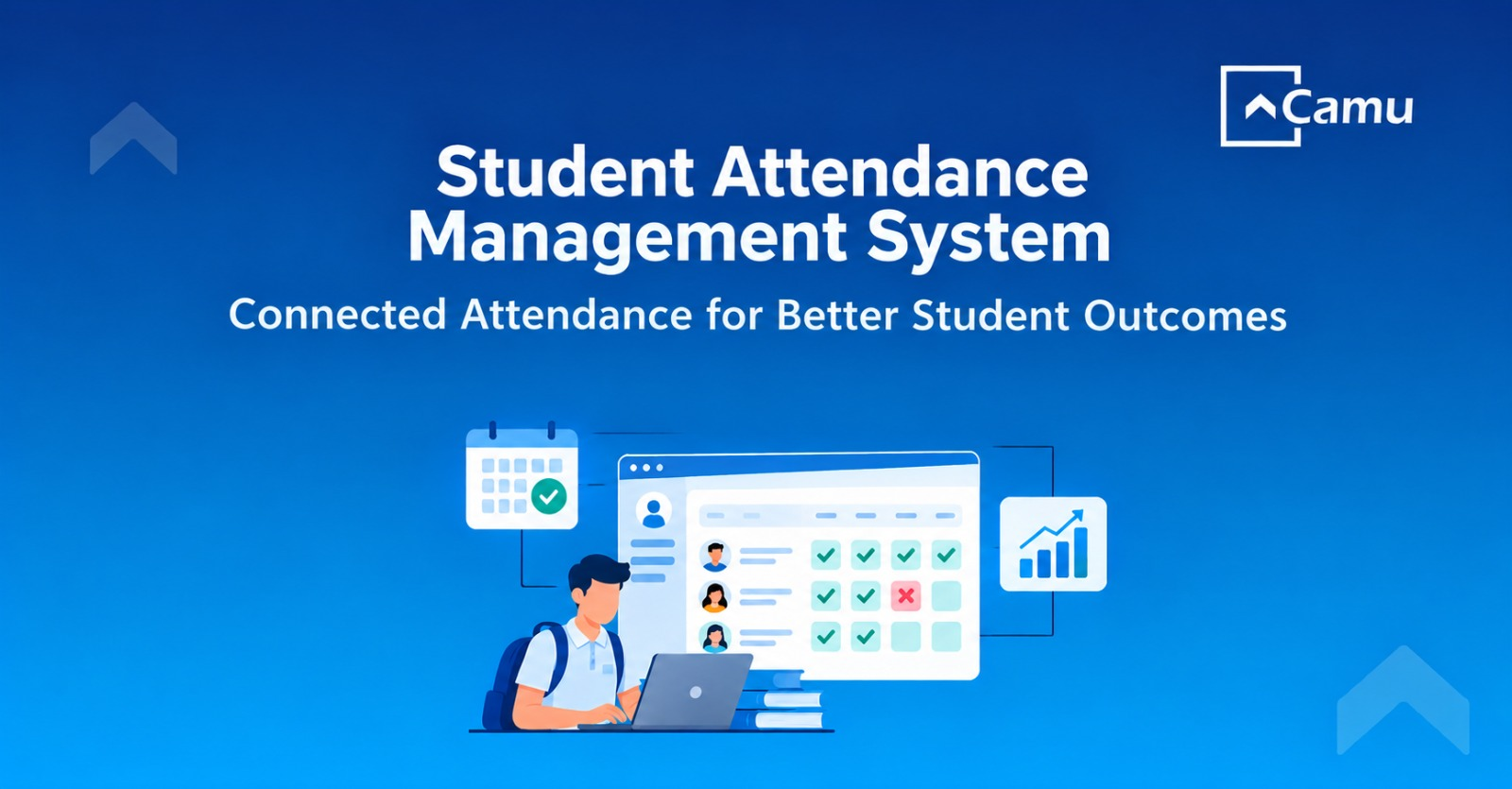
Institutions need to know whether students are attending the classes and sessions they are enrolled in.
Connected attendance information allows faculty and academic teams to view attendance alongside other student information.
This creates better context for follow-up when a student shows attendance concerns.
Course Registration and Academic Planning
Student success also depends on students being able to progress through the right academic structure.
Course registration, programme requirements, academic planning, timetable information, and progression records all contribute to this process.
When these workflows are connected with the student record, institutions get better visibility into where students are in their academic journey and what academic processes are pending.
Communication and Student Engagement
Students receive academic updates, attendance notifications, fee reminders, service updates, announcements, and other important information.
A connected student information system helps institutions manage communication within the wider student lifecycle.
This makes it easier to provide relevant information based on the student's academic and administrative context.
Student Services and Support
Students often need certificates, approvals, letters, corrections, refunds, documents, or other institutional services.
When service requests are managed through structured digital workflows, institutions get better visibility into what students have requested, where the request stands, and what action is pending.
This makes student support easier to track across the institution.
Fees and Financial Visibility
Financial processes also form part of the student experience.
Fee information, invoices, payments, pending amounts, refunds, and other financial records often need to be accessed by students, parents, finance teams, and administrators.
When financial information is connected to the student record, teams get better context while students get clearer visibility into their financial status.
What Institutions Gain from a Connected Student Information System
A connected approach to student information can support institutions in several ways:
Better visibility into the student lifecycle
Less dependence on fragmented records
Faster access to relevant student information
Better coordination between academic and administrative teams
More structured student support workflows
Easier communication with students and parents
Better visibility into academic progression
More consistent reporting across departments
The benefit is not simply having more data. It is having the right information connected across the student journey.
How Camu Supports Student Success Through SIS
Camu brings student information and academic workflows together through its Student Information System. Institutions can manage student records, admissions, enrolment, attendance, academics, assessments, fees, communication, student services, progression, reports, and dashboards within connected workflows.
This gives academic and administrative teams access to relevant student information across different stages of the student lifecycle.
Camu also connects SIS with wider academic workflows such as LMS, attendance, examinations, analytics, and AI-enabled capabilities. This helps institutions build a more connected view of students instead of managing each process separately. For students, the digital experience extends through My Camu, where relevant academic and administrative information and services can be accessed through the student-facing environment.
The goal is to give institutions the information and connected workflows they need to support students throughout their academic journey.
Student Success Starts with Better Student Visibility
Institutions need visibility across attendance, academics, progression, communication, services, and other parts of the student journey.
A student information system provides the foundation for bringing this information together.
When student information is connected, academic and administrative teams get better context, students get better access to information and services, and institutions can coordinate support more effectively.
The role of SIS is therefore moving beyond recordkeeping. It is becoming part of how institutions understand, manage, and support the complete student journey.
Explore how Camu’s Student Information System helps institutions connect student information, academic workflows, and student services through one digital campus platform.
FAQs
1. How does a student information system support student success?
A student information system connects information such as academic records, attendance, course registration, progression, communication, fees, and student services. This gives institutions better visibility into the student journey and helps teams coordinate support.
2. Can an SIS help institutions identify students who need support?
A connected SIS gives academic and administrative teams better access to relevant student information. Institutions can use this information to identify areas that need attention and coordinate appropriate follow-up.
3. What student information is relevant to student success?
Relevant information can include attendance, academic performance, course registration, progression, student services, communication, fees, and other information connected to the student's academic journey.
4. How does connected student data help faculty and administrators?
Connected student data reduces the need to search across separate systems and gives faculty and administrators better context when reviewing student progress, academic activity, and support needs.
5. Does an SIS improve the student experience?
A connected SIS supports a more consistent student experience by giving students easier access to academic and administrative information, communication, services, and other parts of their institutional journey.
6. How does Camu support student success?
Camu connects student records with admissions, academics, attendance, assessments, fees, communication, student services, progression, reports, and wider academic workflows. This helps institutions maintain better visibility across the student lifecycle.