A student information system is a software platform designed to manage all aspects of student data involved from admissions to graduation.
Table of contents:
1. Why do educational institutions need a student information system (SIS)?
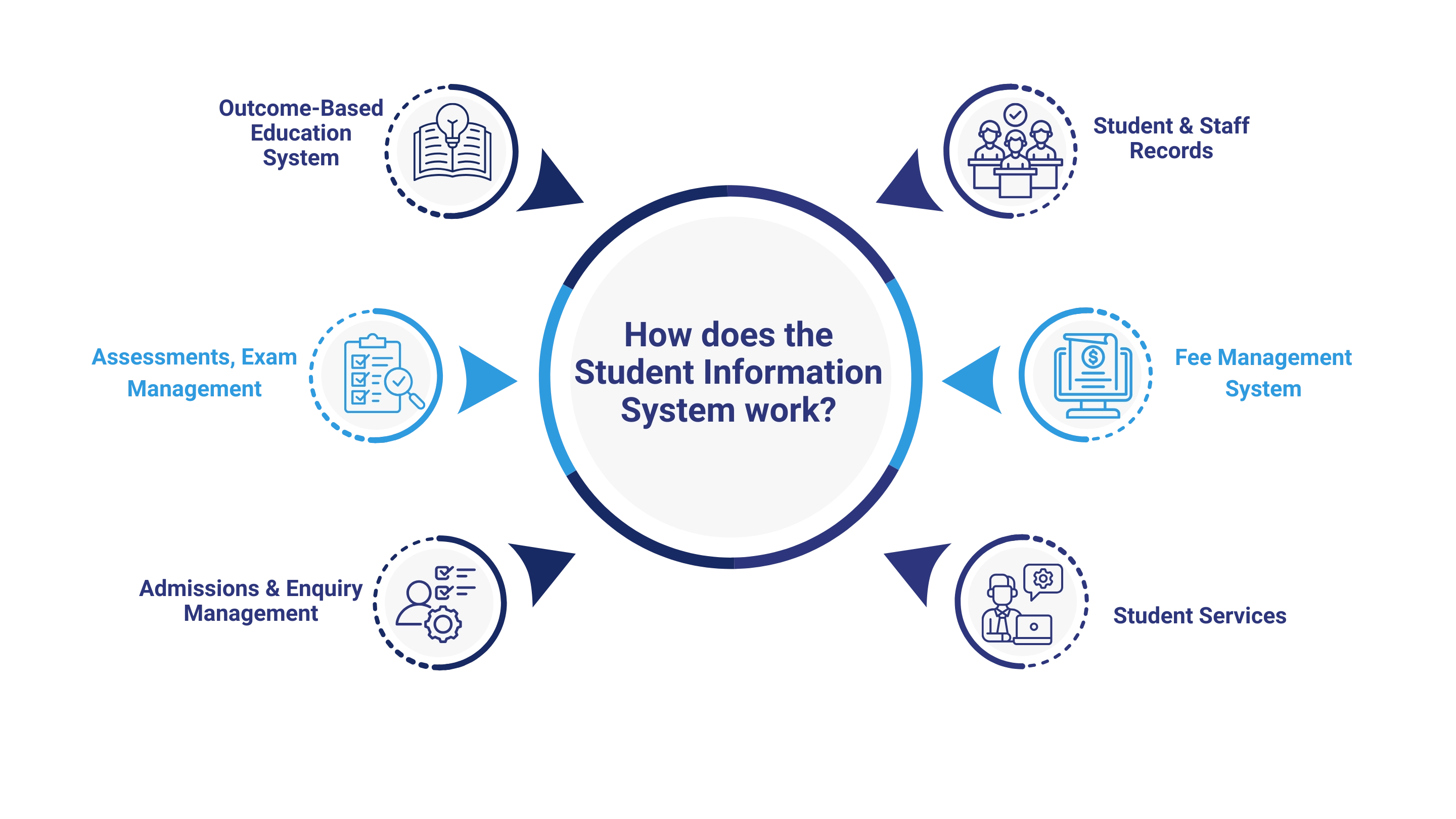
2. How does the college Student Information System work?
3. What are the key SIS features that improve the educational experience?
4. What are the outcomes of SIS implementation?
5. What are the challenges in implementing SIS in educational institutions?
6. Integration of SIS and LMS
7. How do colleges and universities choose the best Student Information System?
Why do educational institutions need a student information system (SIS)?
According to a Gartner peer review, the SIS has a prominent role in maintaining records and supporting them in the delivery of administrative and academic services for higher educational institutes. It is essentially a helping hand for the back-office administrator.
The secret to running a successful institute is the all-around efficiency in maintaining quality teaching as well as seamless administrative standards. Gone are the days when offices were stacked with papers and files, and officers were seen immersed in time-consuming, manual log entry work.
With an SIS software application backed by the latest technology, institutions can simplify most administrative processes, including automating repetitive tasks. It helps the office staff focus on productive aspects of their work to help the institution gain revenue through maximum admissions.
Why is it Necessary to Implement a Student Behavior Management System?
Streamline admissions, academics, and administration with a smart,
scalable Student Information System.
The student information software includes Student Management System (SMS), Student Information Management System (SIMS), and Student Records System (SRS).
All of these allow digital entry of student data that can be accessible to the authorized staff.
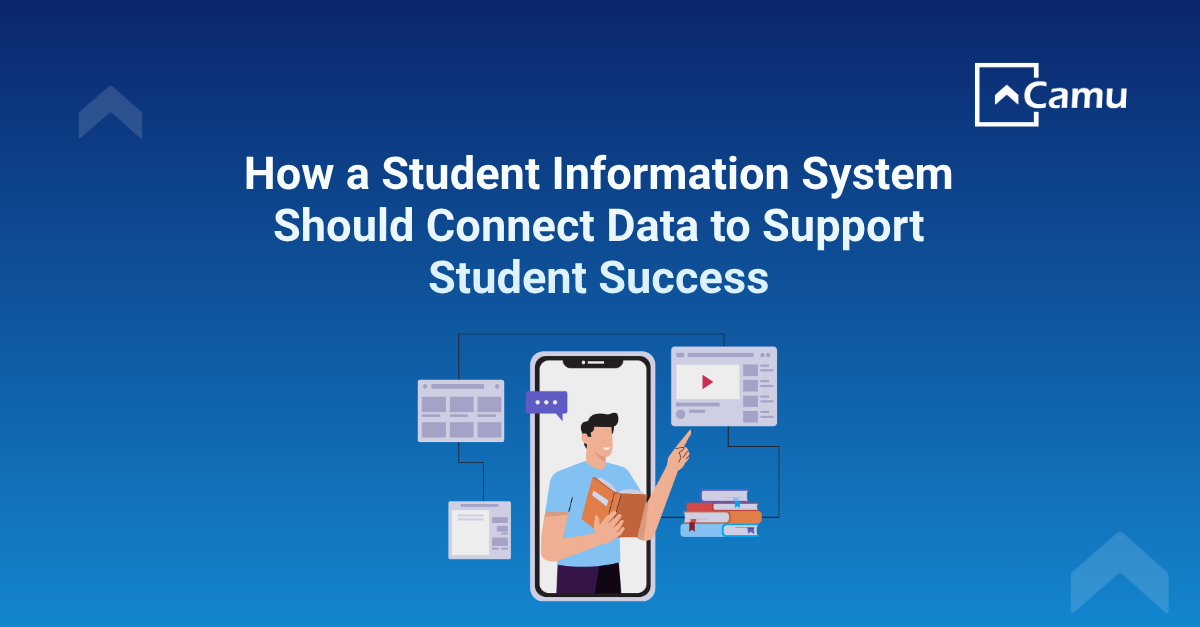
The software also allows integrating student data into one easy-to-access platform.
It is capable of standardizing data formats to create a unified and clear database that saves time and provides concise analytics.
All the data is automatically organized and stored in such a way that it is accessible remotely.
SIS, a cloud-based software, is easily reconfigurable and reliable enough to store sensitive and confidential information due to added security.
It also integrates various departments to share the data in a safe and secure place.
In addition, it enables open communication across an institution.
features-of-student-information-system
SIS platform also enables parents and students to perform payments for colleges and universities.
The institution authorities can easily generate bills and invoices and control the payment schedule and other related activities from a single place.
What are the key SIS features that improve the educational experience?
Cloud ERP
Most institutions prefer cloud-enabled SIS as it reduces data maintenance efforts and optimizes resources.
Cloud ERP SIS can be customized based on institutional requirements.
Student Progress Report
Student progress is recorded throughout the academic year.
This data helps teachers and parents analyze performance and take improvement actions.
Student Emergency Contacts
This feature ensures student safety by storing addresses and contact numbers of parents or guardians.
Automated Admission Process
The entire admission process, from inquiry to enrollment, can be automated.
This improves staff productivity and simplifies student admissions.
Student Attendance
Attendance logs are an essential part of student records.
SIS generates attendance reports on demand for multiple uses.
Student Grades
SIS provides automatic grade tallying and generates reports based on user-defined parameters.
SIS is a cloud-based platform that enables teaching and non-teaching faculty to enter all student-related information just once, as opposed to the offline student management process, where staff is required to write student details every time they fill out a form.
With SIS, all they need is to enter a registration or student number, and all the details are accessible in one click. This reduces the paperwork for staff, so they can utilize their time towards other crucial tasks.
Improves Student Performance Analysis
SIS acts as a great platform to store all performance details of students. It allows teachers to manage, organize and analyze student performance based on exam grades, homework completion rates, attendance, etc.
It has an integrated dashboard analytics feature that generates automated reports for each student based on the data uploaded by the staff. These reports are either in text or graph forms and are potent tools for teachers to track a student’s performance. Better insight into student performance helps teachers improve the areas where students are lagging.
Promotes a healthy parent-teacher relationship
Student performance not only requires teacher involvement but also needs parental overview. With SIS, teachers and parents connect seamlessly and can use the platform to analyze and discuss ways to improve performance of their wards.
It promotes a healthy learning environment for students as they receive the attention of their parents and teachers alike.
Data Security
SIS allows institutions to store data securely with the power of cloud security. It also enables secure remote access for authorized personnel. It reduces the misuse of data, which miscreants would easily access if stored in hard copies.
The cloud-based centralized storage creates a high-security layer around the sensitive standard data.
Improved Student safety
SIS allows student tracking during college hours. In case there are any deviations from the schedule, like a student staying back at college or university for extra classes, the parents get notified.
This ensures the student’s safety from the prying eyes of criminal minds, as parents and teachers can easily trace their location.
Better Reports for management to review
Management can acquire various institutional reports for the purpose of analysis, and extract information from sister branches for comparison of performance, through specific metrics in the SIS Platform.
What are the challenges in implementing SIS in educational institutions?
Implementation of SIS has some challenges that educational institutions must plan carefully. Introducing a student management system requires significant time, effort, and clear communication with all stakeholders to ensure a smooth migration. Customizations should be done thorough testing before going live, and any issues during the transition must be resolved quickly. Staff also need proper training, which may take days or weeks depending on system complexity.
Integration of SIS and LMS
An LMS and SIS work together by enabling seamless data integration between the two systems. Student enrolment details, course schedules, grades, and related information stored in the SIS are automatically synced with the LMS, ensuring accurate course rosters and up-to-date records for instructors.
With Single Sign-On (SSO), users can access both the LMS and SIS using a single set of credentials. This simplifies the login process, enhances security, and improves the overall user experience by removing the need for multiple logins.
While the LMS manages course delivery, integration with the SIS keeps student profiles, enrolment status, and course access synchronized. This ensures only authorized students can access course materials and supports effective communication between instructors and learners.
The integration also allows smooth transfer of grades, attendance, and performance data, reducing manual effort and errors. Combined data from both systems enables powerful reporting and analytics, helping institutions gain insights into student engagement, course outcomes, and overall institutional performance.
How do colleges and universities choose the best Student Information System?
Choosing the best student information system for your institution can be tricky. With so many options available, it is obvious to be confused about making the right choice. The first thing you need to consider is if the SIS you choose works well for everyone- features that benefit the staff, parents, and students.
It should also prioritize data security and cloud connectivity. The SIS contains a lot of information about students and all of these must not be misused. Therefore, the SIS software you choose must have stringent quality checks that ensure data security.
The information loaded in the SIS should be easy to access and share. In addition, the interface must be compatible with mobile and website applications. The SIS software must also have a constant robust support service to clear your queries at any time of the day.
You must also understand your reporting requirements and see if the SIS you choose meets those expectations. Also, check if the SIS has a teacher portal.
This will help your teaching staff maintain the records, schedule classes, and conduct student assessments efficiently and smoothly. Ideally, an SIS teacher portal provides real-time data, personalized customization, and access to student information like grades, attendance, behavior, and live alerts, so they can plan and implement better teaching techniques.
The next feature that you need to look out for while choosing an SIS platform is its administrative tools. Institutions need a seamless administrative process that allows the smooth functioning of the organization. In addition, it gives a holistic idea of college performance and growth.
Frequently Asked Questions
What is a Student Information System (SIS)?
A Student Information System is a centralized digital platform that manages student data such as admissions, attendance, grades, fees, and academic records in one place.
How does SIS improve administrative efficiency in institutions?
SIS automates up to 60–70% of manual administrative tasks, reducing paperwork and allowing staff to focus on high-value academic and student services.
Can SIS improve student performance and outcomes?
Yes. Institutions using SIS report up to 40% faster performance analysis through automated dashboards, reports, and real-time academic tracking.
Is a cloud-based SIS secure for student data?
Modern SIS platforms use multi-layer security, role-based access, and encrypted storage, significantly reducing the risk of data misuse compared to manual systems.
How does SIS support parents and guardians?
SIS provides parents with 24/7 access to attendance, grades, fees, and notifications, improving transparency and parent-teacher collaboration.
How does SIS integration with LMS benefit institutions?
SIS–LMS integration eliminates duplicate data entry and can reduce administrative errors by up to 50%, while ensuring synchronized enrolments, grades, and access control.
Does SIS help improve student safety on campus?
Yes. Features like attendance tracking, emergency contacts, and instant alerts help institutions monitor students and respond quickly to safety concerns.
How should colleges choose the right Student Information System?
Institutions should evaluate SIS solutions based on usability, security, customization, reporting capabilities, mobile access, and long-term vendor support.